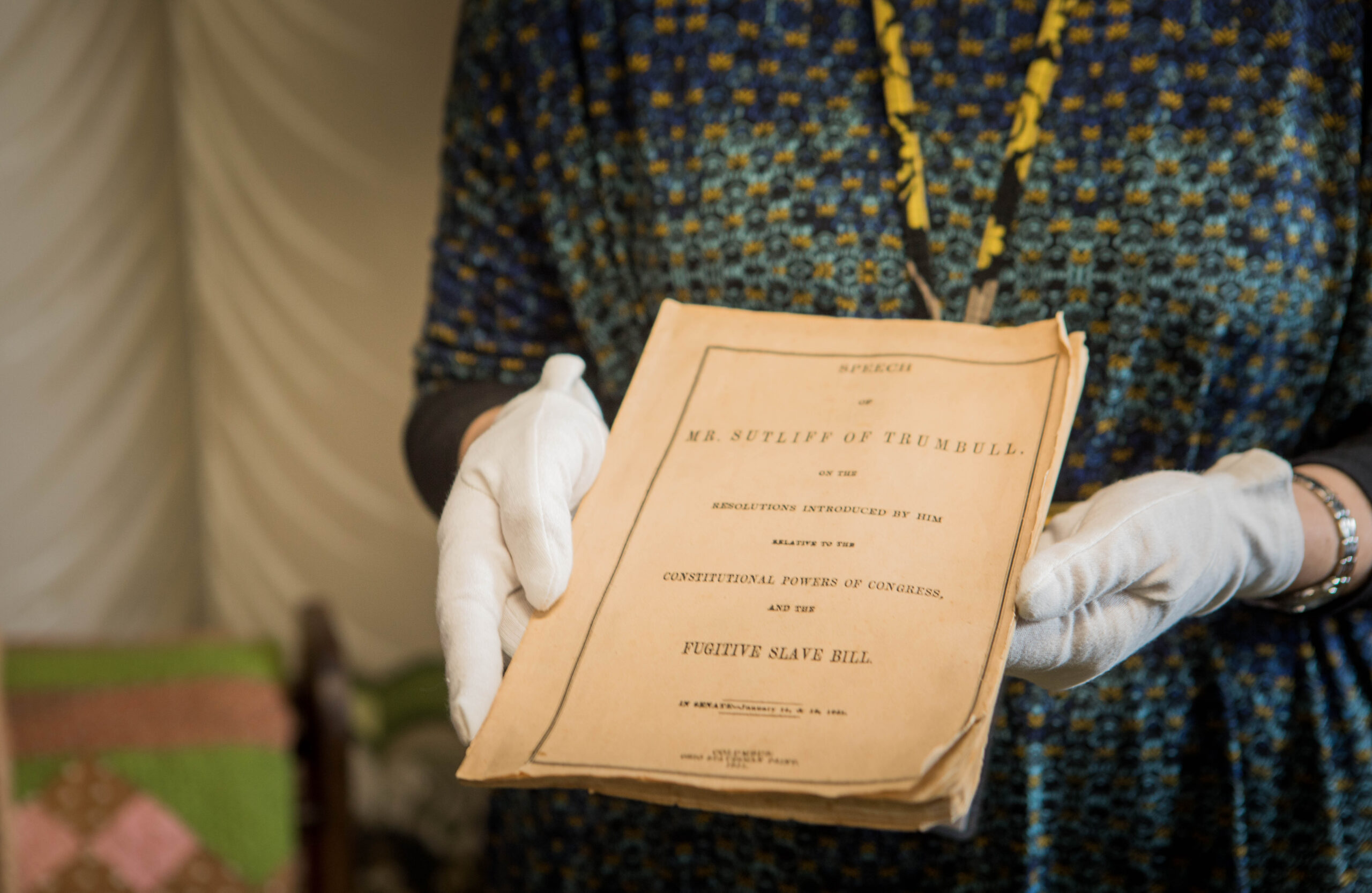
 ">
">
Dive into the secret history of the Underground Railroad in Trumbull County, Ohio. Discover how this region became a critical stop on the journey to freedom, boasting more escape routes than any other county in the state. You'll learn about the brave local abolitionists, the Sutliff family station masters, and the vital role played by routes like the Warren-Ashtabula Turnpike.
What is the Underground Railroad in Trumbull County, Ohio
First, delve into the rich, untold history of the Underground Railroad in Trumbull County, Ohio. This extensive network was crucial for freedom seekers. Dedicated station masters like the Sutliffs ran safe houses along essential routes, such as the Warren-Ashtabula Turnpike, helping thousands escape to the North. Significantly, Trumbull County had more escape routes than any other county in Ohio. Discover these abolitionist efforts that shaped the region.
What is Trumbull County’s significance to the movement?
Local citizens began helping freedom seekers escape further north as early as 1823, over 40 years before the Civil War. Most routes through Trumbull County directed travelers to Canada. They used Ashtabula Harbor as the vital gateway on Lake Erie. Furthermore, by 1837, Trumbull County boasted 30 anti-slavery societies. The County had about 150 miles of escape routes – more than any other county in Ohio. Clearly, they kept these routes purposefully indirect to confuse slave catchers.
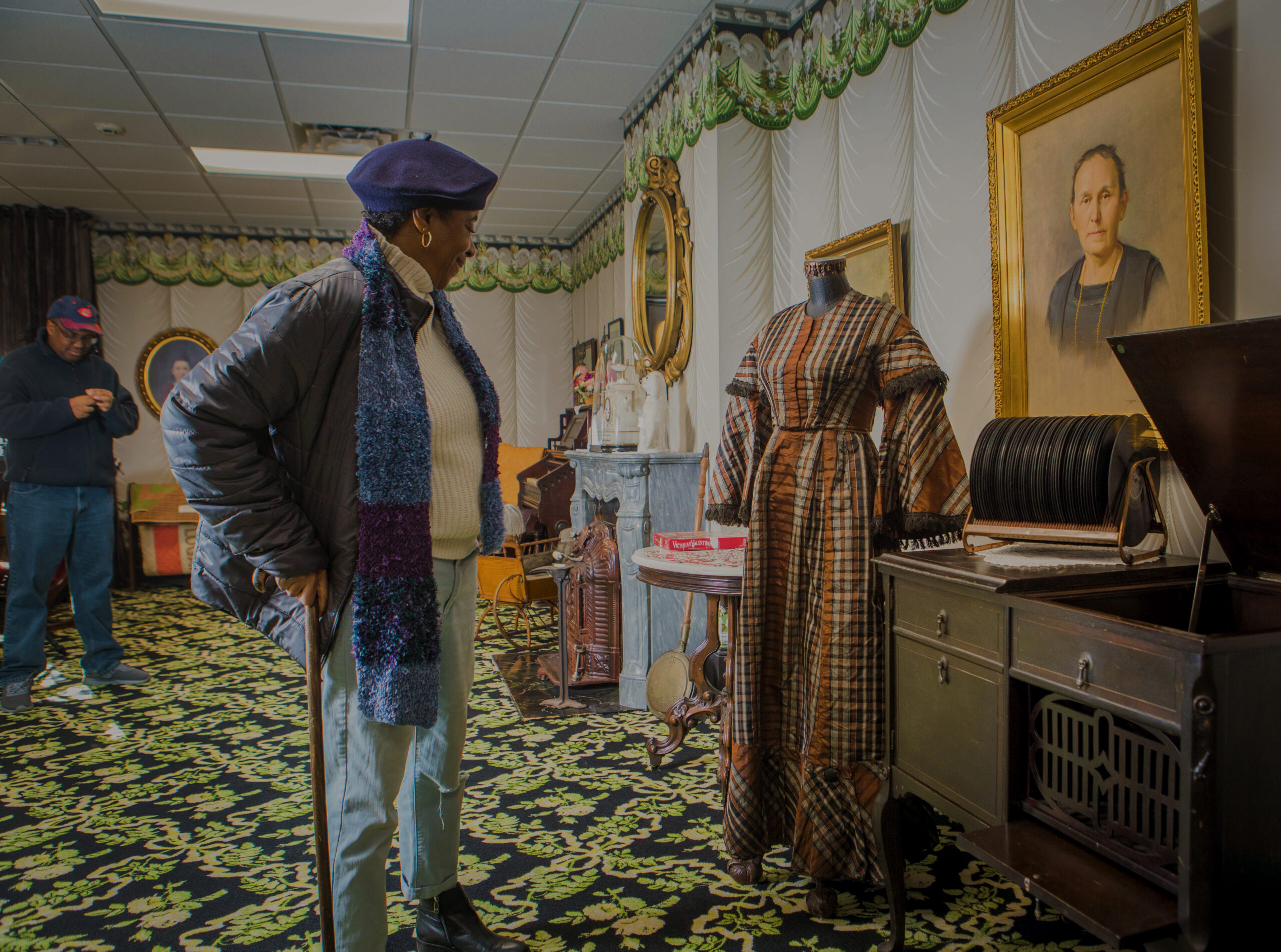
The Sutliff Museum
The Sutliff Museum is located on the second floor of the Warren Trumbull County Public Library. The museum serves as a memorial to Levi and Phebe Sutliff, who were noted station masters on the Underground Railroad. For example, Levi Sutliff co-founded the National Anti-Slavery Society and helped create the local Trumbull County Anti-Slavery Society.
The museum’s permanent collection chronicles the Sutliff family’s diligent work and political involvement to end slavery. The exhibit contains family documents and anti-slavery society pamphlets detailing the abolition movement. Furthermore, it emphasizes the family’s contributions to American history on both a local and national scale. Finally, visitors can see a somber piece: an iron hobble that Levi Sutliff removed from a fugitive slave.
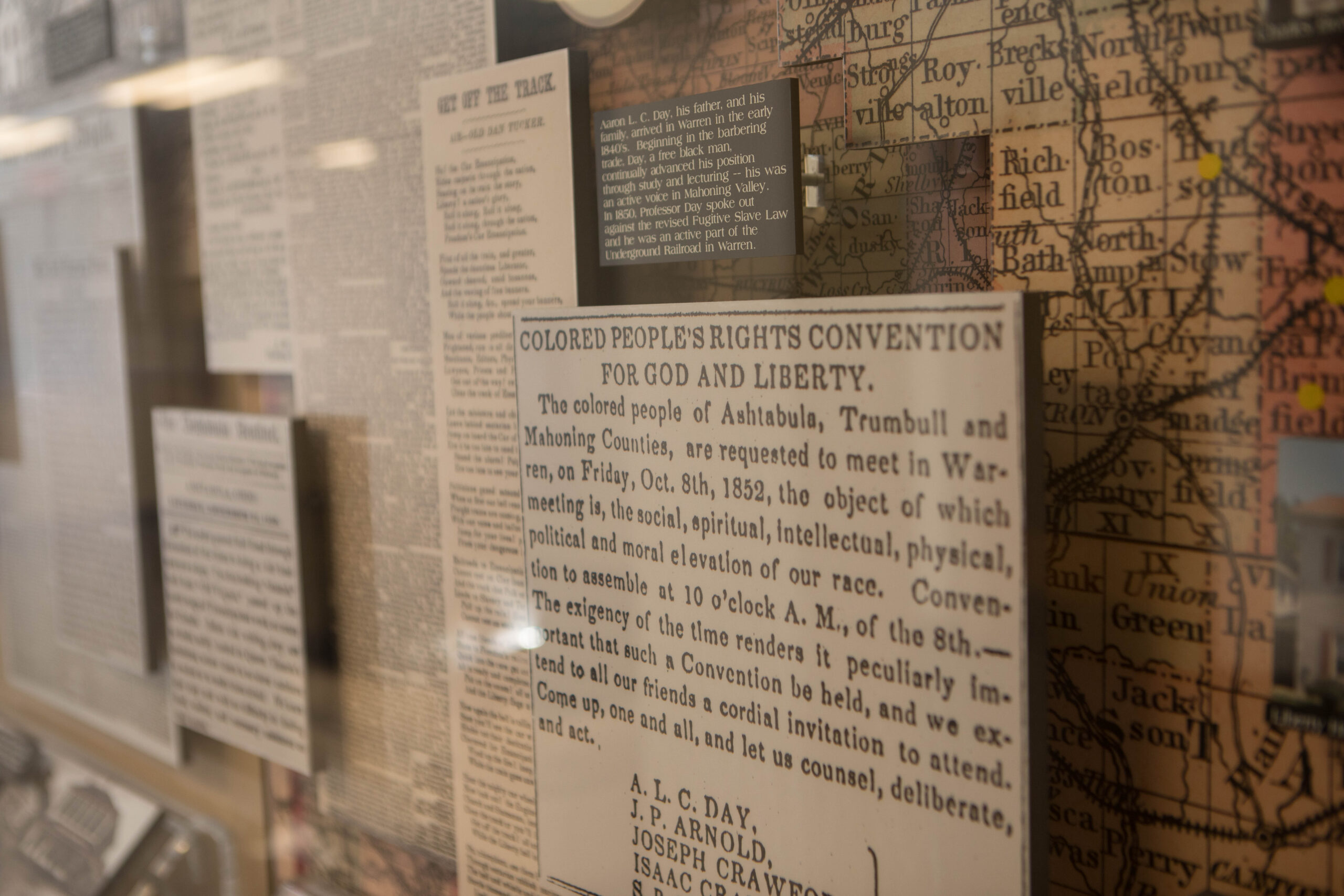
Nurturing Pathways to Freedom in Trumbull County
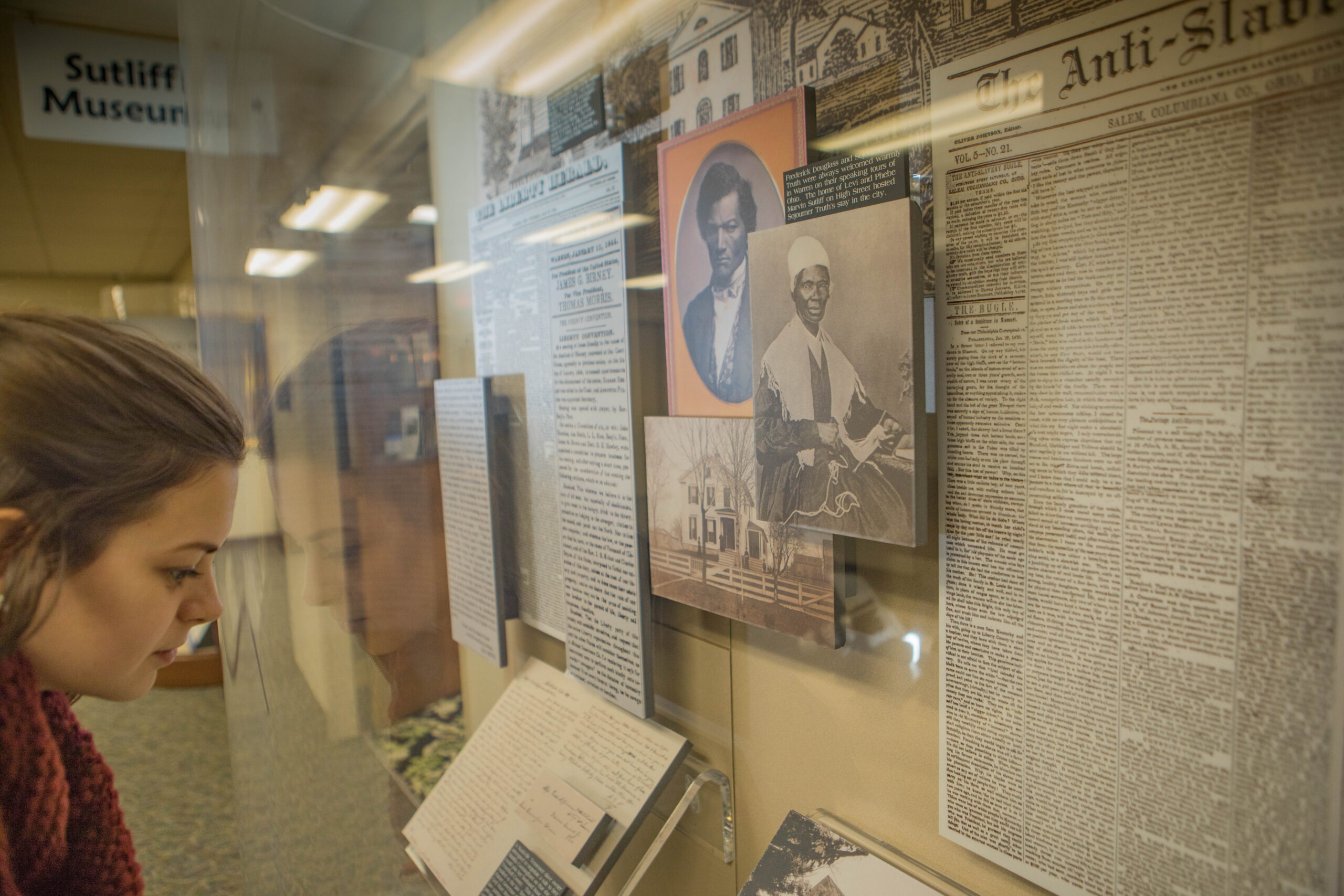
Also located on the 2nd floor of the library is The Nurturing Pathways to Freedom Exhibit. This exhibit provides a glimpse into the realities concerning local anti-slavery sentiments from the 1820s to the 1850s. On display are photographs, maps, and articles, along with original historic documents including correspondence from the Sutliff Family Letter Collection and a slave auction broadside.
The Warren-Ashtabula Turnpike
Turnpikes were built in America in the late 1700s, as an efficient way to connect products to markets. Most at the time were dirt, mud, dust, and gravel, along with wagon ruts making travel difficult. The Warren-Ashtabula Turnpike was developed as a “Plank Road,” made of wooden planks to make traveling easier in rain and snow. The road today is known as Ohio State Route 45 or Mahoning Avenue.
The Warren-Ashtabula Turnpike allowed travelers to go from Warren to Lake Erie at a cost of one cent per mile with toll booths at various places along the route. Being one of the most direct routes to Canada at the time, the turnpike also was a significant route of the Underground Railroad. The route was known to have strong support from its abolitionist residents and neighbors who were not afraid to boldly stand and assist fugitive slaves with food, shelter, and safety in their quest for freedom.
North Bloomfield
Anti-slavery sentiment was strong across all Trumbull County townships well before the Civil War. Consequently, Underground Railroad stations became prevalent throughout the area. Bloomfield Township, founded in 1815, was an active stop on the Warren-Ashtabula Turnpike route.
Today in North Bloomfield, the Brownwood home and the Charles Brown Gothic Cottage share significance to Trumbull County’s story. Both are listed on the National Register of Historic Places. The Brownwood home provided a hiding place for freedom seekers. It originally sat on 600 acres, utilizing a rough camp in the adjoining woods for shelter.
Meanwhile, the Gothic Cottage is famous for its purported “slave cupboard,” a small hiding place located behind a kitchen wall. Documented stories show township leaders, including the Brown families, actively provided safety to fugitives. Locals even delayed pursuing slave catchers by removing horseshoes, giving incorrect directions, and refusing wake-up calls.
Who else was involved?
Acknowledging the significance of the Underground Railroad in Trumbull County and all those involved is difficult because assisting freedom-seekers was illegal and dangerous. Most “conductors” along these trails did not keep written documents of those who came through and which routes were taken.
For more information on the stories of the Underground Railroad and the lecture series, you can contact the Trumbull County Historical Society or one of the historical societies located here in Trumbull County.