 ">
">
Medici Museum of Art Announces World Premier Exhibition:
“From Oil to Art: A Rockefeller Legacy Rooted in Industry, Innovation, and Imagination”
John D. Rockefeller, his earliest days in New York & Ohio, with a glimpse by one ancestor into the surrounding Industrial Revolution
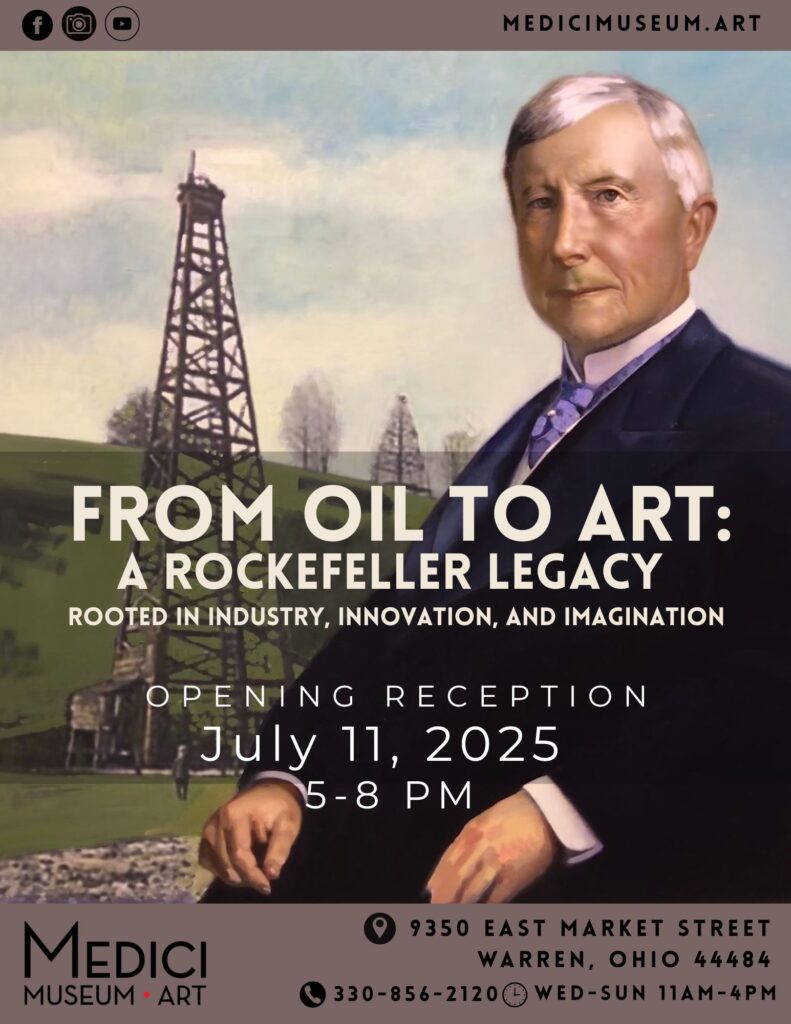
Opening July 11, 2025 – Warren, Ohio
The Medici Museum of Art proudly announces the world premiere of a groundbreaking exhibition, “From Oil to Art: A Rockefeller Legacy Rooted in Industry, Innovation, and Imagination”, opening July 11, 2025. This ambitious, immersive exhibition traces the remarkable arc of the Rockefeller family—from its 19th-century Ohio roots to its global impact oil, politics, philanthropy, and the arts—with a deeply personal lens offered by international artist and cultural ambassador Steven C. Rockefeller, Jr., great-great-grandson of John D. Rockefeller. This extraordinary presentation is not only a first for the region but also a deeply personal tribute to Northeast Ohio’s industrial and philanthropic roots. It becomes a major tribute to Ohio’s role in shaping American industry and culture.
“For years, I have aspired to share our collections, research, and writings pertaining to Mr. Rockefeller with communities in Ohio where he attended high school, first worked as a clerk, started his business, and made his home for over half a century. The Medici Museum’s prominence and the enthusiasm of Katelyn Russo’s leadership for this content has made our collaboration a special privilege and a fitting remembrance of a history sure to inspire.” –Steven C. Rockefeller, Jr.
“Collaborating with Steven C. Rockefeller Jr. has been transformative for the Medici Museum. His artistic vision—rooted in personal legacy, spiritual practice, and global perspective—has shaped this exhibition into something truly dynamic. This exhibition is a rare convergence of industrial legacy and artistic vision. We are tracing a remarkable American story—rooted in our state and reaching across the globe.” – Katelyn Amendolara-Russo, Executive Director of Medici Museum of Art
The show will include glimpses of philanthropy, family legacy, and the transformative role of art on individuals and their communities through innovation, cultural enrichment, and education.
Medici Museum is on its way to becoming a globally recognized institution for contemporary and international art. This world premiere will bring many new faces, from near and far, to our area, helping support tourism, local spending, and community-centered programming as well as the opportunity to showcase “The Valley” as a great place to live, work, and invest.
Exhibition Details:
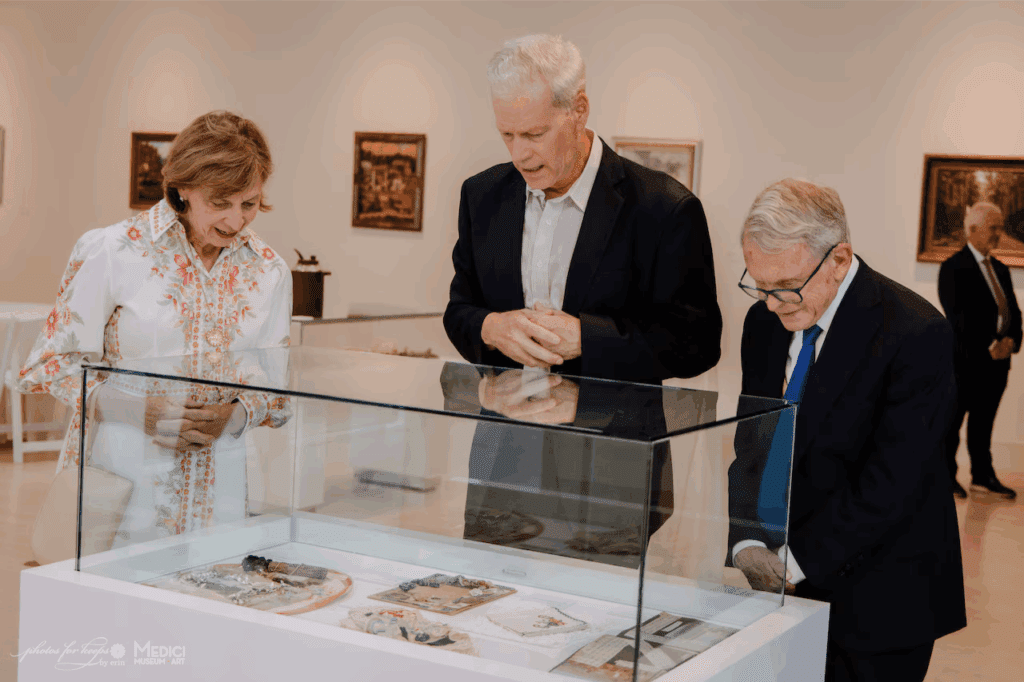
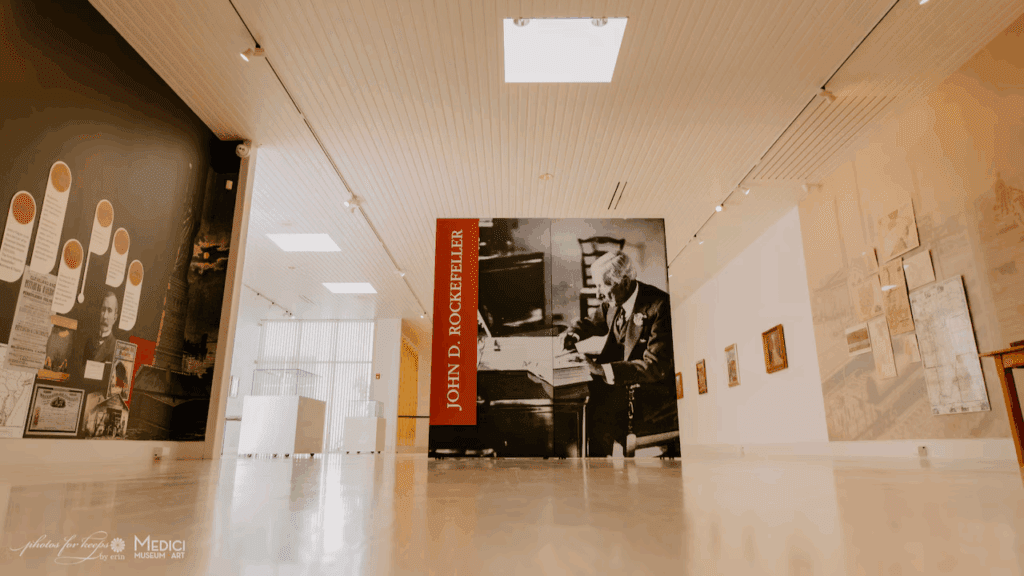
In its first public presentation, this exhibition explores the enduring influence of John D. Rockefeller, founder of Standard Oil (formed in Cleveland, Ohio), through family artifacts, original oil paintings of formative locations, and archival materials never before displayed. Through historic wood beams salvaged (and reconstructed structure for viewing) from Rockefeller’s birth home, and oil portraits framed by a narrative of American industry, visitors will walk a timeline of aspiration, struggle, and transformation. The exhibition is grounded in recognition of the 155th anniversary of Standard Oil’s founding in 1870 and beginning in Cleveland, Ohio.
This extraordinary presentation is not only a first for the region but also a deeply personal tribute to Northeast Ohio’s industrial and philanthropic roots. It becomes a major tribute to Ohio’s role in shaping American industry and culture. This exhibition is especially meaningful to the Mahoning Valley, linking the national story of John D. Rockefeller with Youngstown’s rich industrial roots and community resilience.
Three exhibits showcased:
- “From Oil to Art: JDR’s Legacy Rooted in Industry, Innovation, and Imagination
- JDR, his earliest days in New York & Ohio, with a glimpse by one ancestor into the surrounding Industrial Revolution
- JDR, his earliest days in New York & Ohio, with a glimpse by one ancestor into the surrounding Industrial Revolution
- Romance & Resilience of Anne-Marie Rasmussen Rockefeller: Beauty, Struggle and Artistry
- Unveiling the allure of a Cinderella-romantic classic–psychological depth, and relentless productivity of a modern muse whose life and work inspired a legacy of creativity. At the emotional heart of the exhibition is Steven’s mother, Anne-Marie Rasmussen Rockefeller, a Norwegian-born artist. Her life’s journey from public fairytale to private trauma is laid bare in a breathtaking display of over 100 collage works, echoing both classic European romance and avant-garde innovation.
- Unveiling the allure of a Cinderella-romantic classic–psychological depth, and relentless productivity of a modern muse whose life and work inspired a legacy of creativity. At the emotional heart of the exhibition is Steven’s mother, Anne-Marie Rasmussen Rockefeller, a Norwegian-born artist. Her life’s journey from public fairytale to private trauma is laid bare in a breathtaking display of over 100 collage works, echoing both classic European romance and avant-garde innovation.
- Master Fo Tao and the Art of Chinese Calligraphy
- Introducing the philosophical and artistic teachings of Fo Tao, whose calligraphy and spiritual guidance shaped Steven C. Rockefeller Jr.’s artistic evolution. Furthering the cross-cultural dialogue, the final galleries are devoted to Steven C. Rockefeller, Jr.’s own artistic practice, inspired by the Chinese master Fo Tao. His minimalist fixed-frame videos, Chinese calligraphy works, and photography showcase Nelson Rockefeller’s estate and sculpture garden, Kykuit in New York.
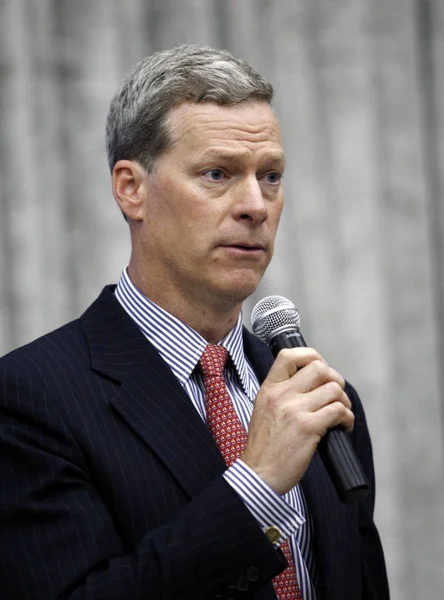
Steven Clark Rockefeller Jr. is the son of Steven Clark Rockefeller and the grandson of former U.S. Vice President Nelson Rockefeller. Mr. Rockefeller has served as Managing Director of Deutsche Bank Private Wealth Management and was a key founder of the Deutsche Bank Microcredit Development Fund, a unique partnership between the bank and its clients to support microcredit programs worldwide. Mr. Rockefeller is also on the Board of the Rockefeller Charity Foundation and the Committee of Rockefeller University. Mr. Rockefeller has been an active member of the Board of Directors at Grameen Foundation. Rockefeller received a Fulbright Award in recognition of his dedicated service to poverty alleviation and longstanding support of micro-credit programs. Rockefeller received his Bachelor’s degree from Fairfield University and his Master’s degree from Yale University. Rockefeller and his wife, Kimberly, live in Pleasantville, New York, with their three children.
Katelyn Amendolara-Russo is the Executive Director of the Medici Museum of Art in Howland, Ohio, where she oversees the museum’s operations, curatorial strategy, community engagement, and development initiatives. With a strong foundation in arts education and international experience, Katelyn brings a global perspective to her leadership in the arts. A 2011 graduate of Ohio Northern University with a Bachelor of Fine Arts in Graphic Design, Katelyn was awarded a Fulbright Scholarship in 2010, an honor that enabled her to further her studies and foster international cultural exchange through the arts. She went on to continue her graduate studies at Studio Arts College International (SACI) in Florence, Italy, where she immersed herself in studio practice, contemporary art history, and curatorial studies in one of the world’s most historic centers of art. Before she transitioned to museum leadership, Katelyn served for 12 years as an art educator, where she developed award-winning visual arts programs for her students.
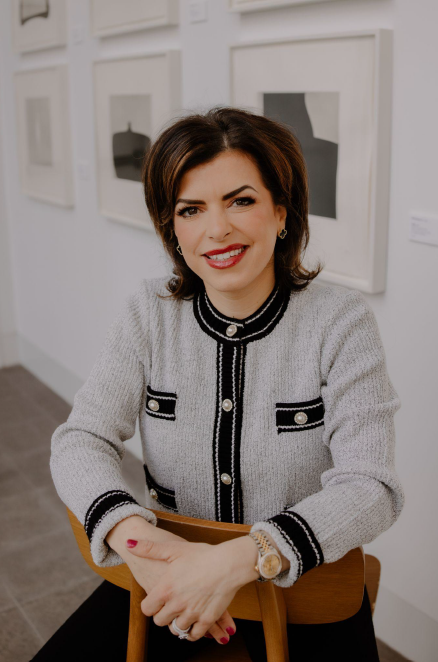
Her expertise in curriculum development led her to work internationally, including in Hong Kong and across the Middle East, where she contributed to the creation and adaptation of visual arts curricula aligned with the State of Ohio’s academic standards. Her work emphasized cross-cultural education, innovation, and the integration of visual literacy in global classroom settings.
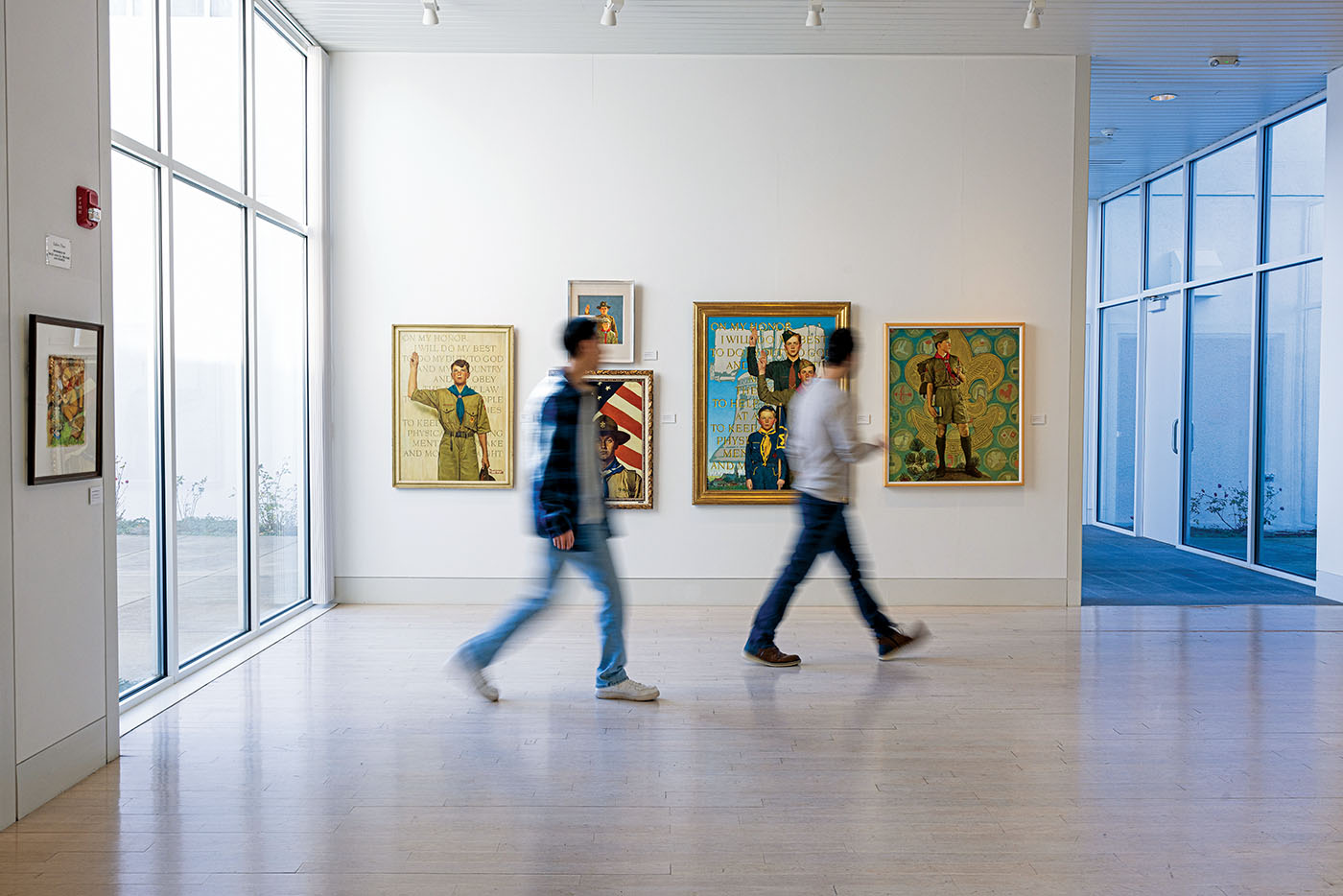
Since joining the Medici Museum, Katelyn has overseen major exhibitions, including works from the Boy Scouts of America’s Norman Rockwell collection, curating the Renie & James Grohl private collection, Ohio Arts Council and a celebrated solo exhibition with hyperrealist sculptor Carole Feuerman. Her vision centers on making the museum a dynamic cultural hub, expanding accessibility, and fostering both regional and international partnerships in the arts.
Quotes from Katelyn Amendolara-Russo, Medici Museum of Art
On the Exhibition’s Significance:
“This isn’t just an exhibition; it’s a homecoming for the Rockefeller family’s Ohio roots. We’re connecting history with the present, right here in the heart of the Mahoning Valley.”
On Ohio’s Role in the Rockefeller Legacy:
“Ohio was the birthplace of the Rockefeller legacy, and that’s something we’re proud to highlight. It’s where it all began, and this exhibition brings that story back home.”
On the Medici Museum’s Mission:
“We’re redefining what a regional museum can do—bringing world-class art and global stories to local communities, making art accessible, and fostering cultural conversations.”
On the Collaboration with Steven C. Rockefeller, Jr.:
“Working with Steven has been a true honor. His personal connection to this exhibition gives it depth and authenticity—it’s more than just a display; it’s a story of family, legacy, and art.”
On the Local Impact of the Exhibition:
“This exhibition is about more than art. It’s a chance for our local community to see themselves reflected in history, to understand how our story ties into the bigger American narrative.”
On the Role of Museums Today:
“Museums have the power to shape how we understand our past and how we envision our future. It’s about making art relevant today, sparking conversations that matter.”
On Curating the Rockefeller Exhibition:
“Curating this exhibition feels like bringing a piece of history home. The Rockefellers’ Ohio roots are so often overlooked, but this region played a pivotal role in shaping the family’s legacy. It’s a privilege to showcase that—along with art and artifacts that have never been seen before—to the people of Ohio and beyond.”
On the Significance of Ohio in the Rockefeller Legacy:
“Ohio is where the Rockefellers’ story began, and it’s not just a historical footnote—it’s foundational. We’re in the heart of the Rust Belt, a region built on steel, innovation, and resilience, which echoes the Rockefellers’ own rise. By bringing this exhibition to Warren, we’re honoring those industrial roots while making global cultural conversations more accessible to the local community.”
On the Medici Museum’s Mission and Vision:
“The Medici Museum of Art is redefining what a museum can be. We’re not just showing art—we’re fostering a cultural dialogue that ties the past to the present and regional narratives to global conversations. This exhibition exemplifies that mission in such a powerful way.”
On the Impact of the Rockefeller Exhibition on the Local Community:
“This exhibition is a game-changer for the Mahoning Valley. It’s an opportunity for local visitors to see world-class works and artifacts up close, while also reflecting on how our own history is intertwined with the broader American story. Art, culture, and history have the power to reshape how we understand ourselves and our communities.”
On Working with Steven C. Rockefeller Jr.:
“Steven’s vision for this exhibition is incredibly personal—his family’s history is his own story, and that authenticity comes through in every piece. His willingness to share his family’s treasures, both artistic and historical, makes this exhibition so intimate.”
On the Role of Museums in Today’s Cultural Landscape:
“Museums like ours have a unique opportunity to play a role in the cultural conversation. We’re not just preserving the past; we’re making it relevant to today’s world. By weaving personal histories, like the Rockefellers’, into the fabric of contemporary life, we invite people to think about legacy, impact, and how art shapes society now and in the future.”
Nelson Aldrich Rockefeller
Bar Harbor, Me., 1908–New York, 1979
Nelson A. Rockefeller was an accomplished businessman, politician, art collector, and philanthropist.
Rockefeller graduated from Dartmouth College in 1930 and worked for family controlled enterprises, including Rockefeller Center and Chase National Bank (today Chase Manhattan). He also held numerous public offices, including governor of New York for four consecutive terms (1959–73) and vice president in the Ford administration (1974–77). While governor, Rockefeller spearheaded a number of art-related initiatives such as the State Council on the Arts (now the New York State Council on the Arts, NYSCA). The first such institution in the country, the council sought to preserve and expand cultural heritage in the state of New York. Subsequently, similar councils were established in other states.
Throughout his life, Rockefeller was closely associated with the Museum of Modern Art, New York, which was co-founded in 1932 by his mother, Abigail Greene “Abby” Aldrich Rockefeller. In addition to being a major benefactor, Rockefeller served as a museum trustee and twice as the museum’s president (1939–41 and 1946–53). In 1968 he helped form the Museum of Modern Art Syndicate, a group of museum trustees who purchased the estate of Gertrude Stein. In 1969, the museum curated an exhibition centered on Rockefeller’s collection. It included a selection from the total of approximately 1500 works owned by the collector at this time.
When Rockefeller began collecting in the 1930s, Cubism was his primary focus. He accumulated several Cubist paintings and works on paper by Georges Braque, Juan Gris, Fernand Léger, Pablo Picasso and sculptures by Jacques Lipchitz and Alexander Archipenko. However, he gradually expanded his scope and amassed a vast collection of modern art by European and American artists. He had a keen interest in modern and contemporary sculpture, but also collected pre-Colombian art as well as work from Africa and the Pacific Islands. In 1954 he founded the Museum of Primitive Art in New York and transferred his personal collection of non-Western art to the museum. It operated until 1976, mounting exhibitions devoted to the indigenous art of the Americas, Africa, the Pacific Islands, and early Asia and Europe. One of the exhibitions, organized in 1960, was devoted to Cubist sculptor Jacques Lipchitz’s collection of African art. After the museum closed, Rockefeller donated its permanent collection to the Metropolitan Museum of Art, New York. A number of Rockefeller’s Cubist works were bequeathed to the Museum of Modern Art, among them Braque’s papier collé Still Life with Tenora (1913), 2 works by Gris Guitar and Glasses (1914) and The Sideboard (1917), and Picasso’s papier collé Guitar (1914) and paintings Girl with a Mandolin (Fanny Tellier) (1910), Student with a Pipe (1913-14), and Still Life: “Job” (1916).